
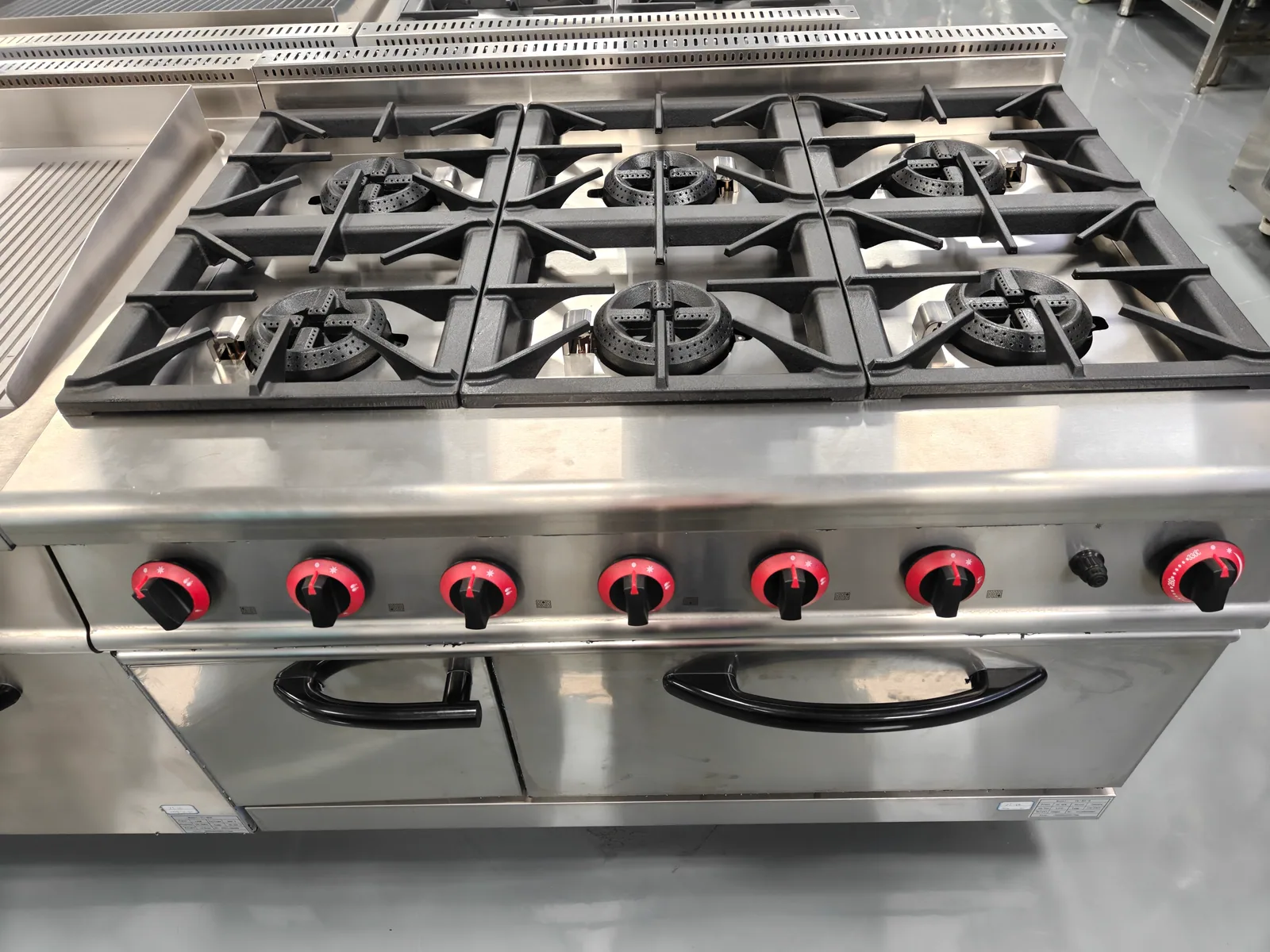
A 6-burner gas clay pot stove gives restaurant and catering kitchens six independent cooking positions in one workstation. It can suit busy service periods where chefs need to prepare multiple clay pot dishes, sauces, soups and other menu items at the same time.
Selecting the right model involves more than counting burners. Restaurant owners, kitchen planners and equipment distributors should review the menu, gas supply, available space, installation requirements and supplier support before requesting a quotation.
What Is a 6-Burner Gas Clay Pot Stove?
A six-burner commercial gas stove provides independent burners so a kitchen team can manage several pots at different heat levels. The configuration is useful for restaurants serving Asian cuisine, clay pot dishes, soups, sauces or other multi-pot menus.
The right configuration depends on the cookware used, the busiest service period and whether the kitchen needs an oven base, cabinet storage or another workstation layout. View Yaumy Kitchen's 6-burner gas stove for the product overview.
1. Start with Menu and Peak-Hour Output
Before choosing a commercial gas stove, list the dishes that need to be cooked at the same time during peak service. This helps determine whether six burners are appropriate and whether every cooking position needs independent heat control.
Consider:
- Number of dishes prepared simultaneously
- Pot and pan sizes used in daily service
- Expected peak-hour orders
- Whether the stove will be used for clay pots, sauces, soups or general cooking
- Available preparation and cleaning space around the cooking line
Choosing by burner count alone can cause workflow problems. A suitable layout should support the actual menu and leave enough room for safe operation.
2. Confirm Natural Gas or LPG Before Ordering
Commercial gas equipment must match the gas supply available at the installation site. Confirm whether the project uses natural gas or LPG, then ask the supplier to prepare the correct gas configuration.
Also confirm the required gas pressure, burner power and any local installation requirements before production. A qualified local installer should review the final technical sheet before the equipment is connected.
3. Check Burner Layout and Cookware Clearance
The space around each burner matters as much as the number of burners. The grates and burner positions should accommodate the pot sizes used by the kitchen without restricting access to nearby controls.
Independent controls help chefs adjust heat for different dishes. When reviewing product images or videos, check the burner spacing, grate stability, control layout and the clearance available for the intended cookware.
4. Consider Oven Base and Storage Requirements
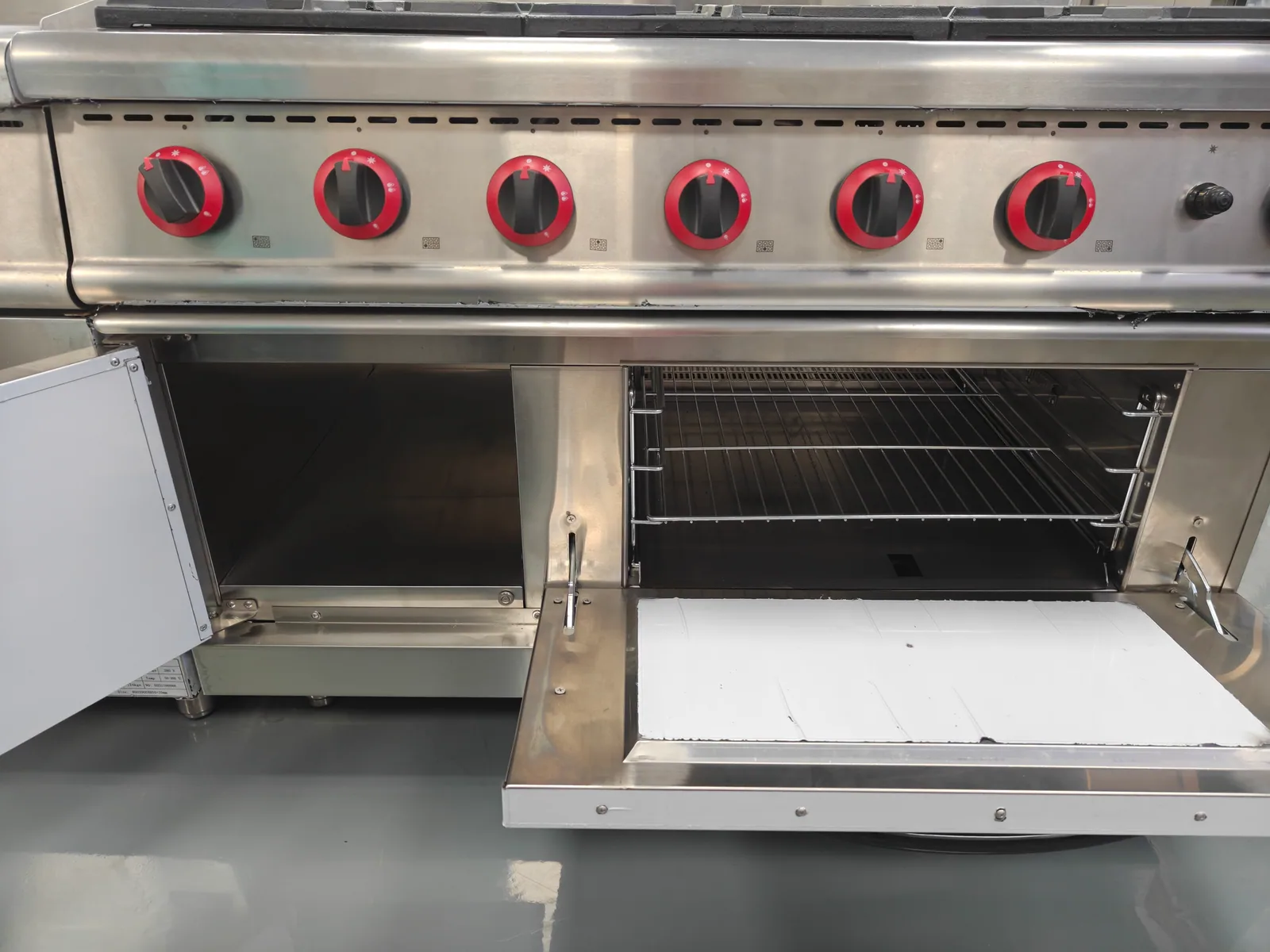
Some six-burner gas stove configurations include an oven base or storage compartment below the cooking surface. This can add useful capacity without taking up extra floor space, but it should match the kitchen's actual workflow.
Confirm the usable oven space, door-opening clearance, access for cleaning and whether the base configuration is appropriate for your intended menu. A commercial kitchen layout should also allow enough service access around the equipment.
5. Choose Durable, Easy-to-Clean Construction
Commercial kitchens need equipment that can handle frequent use and routine cleaning. Stainless steel construction, stable burner supports and practical controls all help support everyday operation.
Look closely at the worktop, burner grates, control knobs, oven doors and drainage or cleaning areas. Easy-to-clean construction can save time after service and help the kitchen maintain an organized cooking line.
6. Confirm Packaging, Shipping and Installation Details
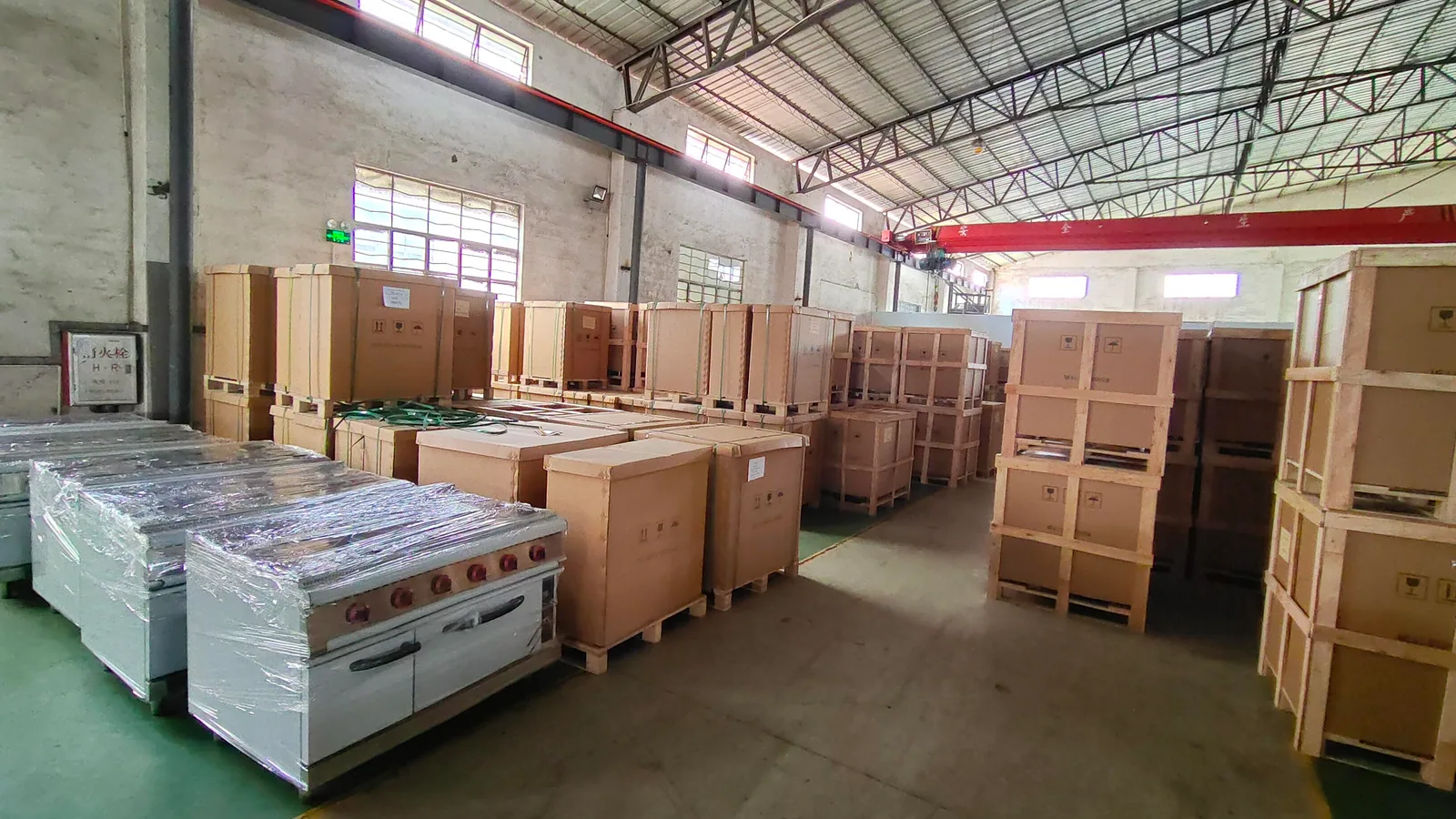
Before placing an order, ask for the overall dimensions, package dimensions, net and gross weight, loading information and recommended installation conditions. These details help distributors and project contractors plan freight, site access and final placement.
For export projects, practical packaging and clear product documentation are important. They help protect the equipment in transit and give the receiving team the information needed for installation planning.
7. Work with a Supplier That Can Support Your Project
Price is important, but the right supplier should also provide clear specifications, real product images, operating videos, packing information, production lead time and responsive communication.
For distributors and kitchen contractors, it is useful to ask about OEM options, branding, gas configuration, spare parts support and the information required for an accurate quotation. Complete project details lead to a more suitable recommendation.
Questions to Ask Before Buying
Prepare these details before requesting a quotation:
- Required gas type: natural gas or LPG
- Intended menu and peak-hour cooking volume
- Pot and pan sizes
- Required dimensions and available installation space
- Need for an oven base or storage compartment
- Destination country and local installation requirements
- Required quantity, delivery timing and branding needs
Choose the Right Configuration Before Requesting a Price
A 6-burner gas clay pot stove can improve cooking efficiency when the configuration matches the menu, gas supply, cookware and kitchen layout. Share your project requirements early so the supplier can recommend a practical model and prepare an accurate quotation.
Contact Yaumy Kitchen for product specifications and quotation support.
